The Ultimate Guide to Selling More Books and Building Your Author Brand
Why Podcasts Have Become One of the Best Book Marketing Tools
Thousands of books are published every day. Unfortunately, many authors believe that writing the book is the hard part. In reality, getting people to discover your book is often far more challenging.
Traditional publicity methods such as newspaper reviews, radio interviews, television appearances, and book signings still have their place, but podcasts have quietly become one of the most powerful—and affordable—ways to promote books.
Whether you’re a first-time self-published author or a bestselling writer, podcasts allow you to reach highly targeted audiences that are already interested in your subject. Unlike social media posts that disappear in minutes, podcast interviews continue attracting listeners for years.
The best part?
Most podcast interviews are completely free.
If you’re willing to share your expertise, tell engaging stories, and provide genuine value, podcasts can become one of the highest-return marketing activities in your entire publicity strategy.
Why Podcasts Work So Well
Podcast listeners are different from casual internet users.
They intentionally choose programs they enjoy and often listen for 30 minutes to over an hour. During that time, they become deeply engaged with the host and guest.
Compare that to social media.
A Facebook post might receive someone’s attention for five seconds.
A podcast interview might hold their attention for an hour.
That difference is enormous.
Listeners begin to feel as though they know you personally. Psychologists call this the “mere exposure effect.” The more someone hears your voice, stories, and ideas, the more familiar and trustworthy you become.
People buy from authors they trust.
Podcasts Create Authority
One interview can instantly increase your credibility.
Imagine two authors with similar books.
One says:
“I wrote a book.”
The other says:
“I’ve been interviewed on twenty podcasts about this topic.”
Who sounds more authoritative?
Podcast appearances act as social proof.
Each interview demonstrates that someone considered your expertise valuable enough to feature on their show.
This authority compounds over time.
Twenty interviews become fifty.
Fifty become one hundred.
Before long, people begin introducing you as “the podcast guest who’s everywhere.”
Podcasts Reach Highly Targeted Audiences
One of the greatest advantages of podcasts is niche marketing.
There are podcasts dedicated to nearly every topic imaginable:
- Business
- Investing
- Health
- Psychology
- Travel
- Spirituality
- History
- Self-improvement
- Writing
- Retirement
- Mental health
- Digital marketing
- Artificial intelligence
- Essential oils
- Meditation
Whatever your book is about, someone is already producing a podcast for your ideal readers.
Instead of advertising to millions of random people, you can speak directly to people who are already interested in your subject.
That’s marketing efficiency.
Podcast Interviews Last Forever
A newspaper article is usually forgotten within a day.
A television interview disappears almost immediately.
A podcast episode often remains online indefinitely.
Someone may discover your interview five years after it was recorded.
This creates what marketers call “evergreen publicity.”
Every interview becomes another digital asset working for you around the clock.
As your number of interviews grows, your online presence becomes stronger every year.
Books Sell Through Stories
People rarely buy books because of statistics.
They buy because of stories.
Podcasts allow you to tell stories naturally.
You can explain:
- Why you wrote your book
- Your biggest failures
- Lessons learned
- Turning points
- Surprising discoveries
- Funny experiences
- Personal transformations
Stories create emotional connections.
Those emotional connections sell books.
Becoming an Interesting Guest
Podcast hosts don’t want advertisements.
They want entertaining conversations.
Think of yourself as an educator rather than a salesperson.
Share useful information generously.
Teach.
Inspire.
Entertain.
If listeners enjoy your conversation, they’ll naturally want to learn more about your work.
Ironically, selling less often results in selling more.
Preparing Your Podcast Message
Before accepting interviews, decide on several key messages.
For example:
- What problem does your book solve?
- What misconceptions exist in your field?
- What surprising facts do people not know?
- What practical advice can listeners apply immediately?
Develop several memorable stories.
Stories are remembered.
Facts are forgotten.
Create Your Author Story
Every successful author has an origin story.
Ask yourself:
Why did you write this book?
What challenge inspired it?
What mistakes did you make?
What did you discover?
Why should readers trust your advice?
Authenticity matters.
Listeners connect with real people, not polished marketing scripts.
Choosing the Right Podcasts
Not every podcast is suitable.
Quality matters more than quantity.
Research each show carefully.
Ask:
- Does the audience match your readers?
- Does the host interview authors?
- Are episodes released regularly?
- Is the production professional?
- Does the host actively promote guests?
Small niche podcasts often outperform huge general-interest shows.
A thousand highly interested listeners are more valuable than fifty thousand indifferent ones.
Finding Podcasts
Finding podcasts is easier than ever.
Search for:
- Apple Podcasts
- Spotify
- YouTube Podcasts
- Amazon Music
- Podcast directories
- Google searches
- Facebook groups
Search using phrases like:
“Best marketing podcasts”
“Retirement podcast”
“Mental health podcast”
“Writing podcast”
“Digital nomad podcast”
You’ll quickly discover hundreds of opportunities.
Pitching Yourself
Keep your email short.
Introduce yourself.
Explain why you’re relevant to their audience.
Suggest several possible interview topics.
Mention your book only briefly.
Remember:
The podcast exists to serve listeners—not authors.
Show the host how your interview benefits their audience.
Great Podcast Topics
Avoid saying:
“My book is about…”
Instead say:
“I can explain why…”
“I’ve spent twenty years studying…”
“I discovered…”
“I’ll show your audience how to…”
Focus on solving problems.
Problem-solvers get invited back.
Sound Professional
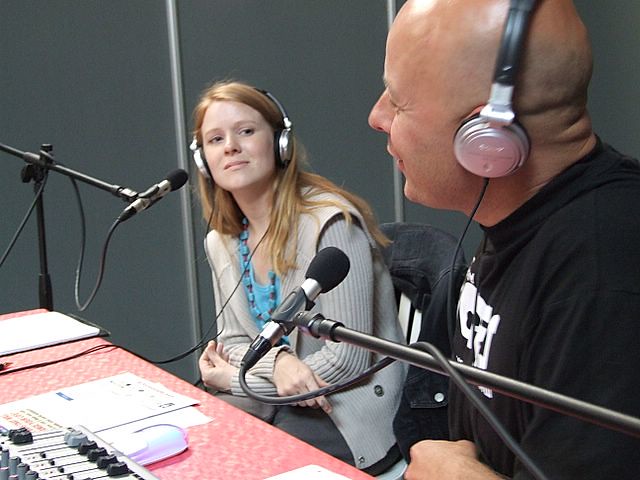
Audio quality matters.
Invest in:
- A USB microphone
- Headphones
- Quiet room
- Good internet connection
Poor audio immediately reduces credibility.
Fortunately, excellent microphones are surprisingly affordable.
During the Interview
Smile while speaking.
People can hear enthusiasm.
Speak conversationally.
Avoid jargon.
Pause naturally.
Answer questions directly.
Tell stories.
Be yourself.
The goal isn’t perfection.
The goal is connection.
Mention Your Book Naturally
Don’t constantly mention your book.
Instead, weave it naturally into conversation.
For example:
“I discuss that in greater detail in Chapter Seven.”
“My research for the book uncovered something fascinating.”
“My readers often tell me…”
This feels informative rather than promotional.
Give Listeners Something Free
Offer a bonus resource.
Examples include:
- Checklist
- Guide
- Workbook
- Newsletter
- Cheat sheet
- Video
- Email course
People love free value.
Your free resource builds your email list while promoting your book.
Repurpose Every Interview
One interview becomes many pieces of content.
Turn it into:
- Blog articles
- YouTube videos
- LinkedIn posts
- Facebook posts
- Instagram quotes
- X posts
- Newsletter content
- Short video clips
- Website testimonials
This dramatically increases your return on time invested.
Add Interviews to Your Website
Create a page titled:
“As Featured On”
Embed podcast episodes.
Include host logos.
Add short descriptions.
Visitors instantly see your authority.
Media attracts more media.
Build Long-Term Relationships
Podcast hosts know other hosts.
Be polite.
Promote every interview.
Thank the host publicly.
Recommend the episode.
Stay connected.
One interview often leads to many more.
Create Your Own Podcast
Eventually, consider launching your own show.
Interview authors.
Industry experts.
Readers.
Professionals.
Your podcast becomes another platform for promoting your books while helping others.
Many bestselling authors now use podcasts as their primary marketing channel.
Measure Your Results
Track:
- Website traffic
- Book sales
- Email subscribers
- Social media followers
- Podcast downloads
- Speaking invitations
- Media requests
Over time you’ll discover which podcasts produce the best results.
Then focus your efforts there.
Common Mistakes
Avoid these errors:
- Talking only about your book
- Giving one-word answers
- Interrupting the host
- Poor audio quality
- Failing to prepare
- Forgetting your website
- Not collecting email subscribers
- Ignoring follow-up opportunities
Every interview should strengthen your reputation.
Build a Podcast Publicity System
Successful authors don’t rely on luck.
Create a system.
Each month:
- Pitch ten podcasts.
- Appear on three interviews.
- Repurpose every interview.
- Share interviews across social media.
- Add interviews to your website.
- Build relationships with hosts.
Small, consistent actions compound into significant visibility.

Final Thoughts
Book publicity is no longer reserved for celebrity authors with expensive publicists.
Podcasts have levelled the playing field.
Every author now has access to thousands of interview opportunities around the world.
Whether you’ve written a novel, business book, memoir, self-help guide, or specialist non-fiction title, there are listeners eager to hear your story and learn from your experience.
Approach each interview with the mindset of serving the audience rather than selling to them. Educate generously, share authentic stories, and provide practical advice that listeners can apply immediately.
Books are ultimately sold through trust, and few marketing channels build trust as effectively as a genuine conversation.
The microphone has become the modern author’s stage.
Start with one interview.
Then another.
Before long, you’ll have a growing library of conversations introducing new readers to your work every day of the year.
The next bestseller might not begin in a bookstore—it might begin with someone pressing play on a podcast.
Related Articles
“Not all who wander are lost — some are Wi-Fi connected.”
Digital Nomad Magazine is your no-BS survival guide to living, working, and thriving off the grid — or at least off the hamster wheel. Whether you’re dreaming of Bali beaches or just want to escape the 9-to-5 grind without going broke (or bonkers), this magazine is packed with real-life insights, budget hacks, remote work tips, and destination spotlights.
Written by a veteran digital nomad who’s made all the mistakes so you don’t have to, it’s part inspiration, part instruction manual — and 100% freedom-fuel.
Click here to buy on Amazon